
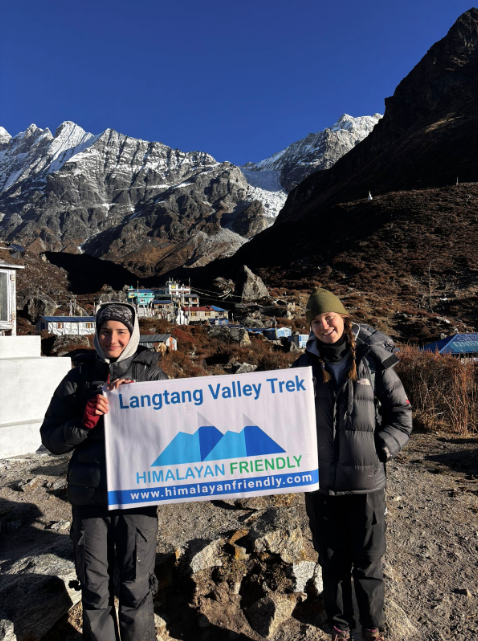
Choosing between the Langtang Valley Trek 8 days and the Everest Base Camp (EBC) Trek 12 days is one of the most common questions trekkers face when planning a journey in Nepal. Both routes offer classic Himalayan scenery, teahouse trekking, and cultural depth—but the experience on the trail is very different.
Rather than asking which trek is more famous, the better question is: which one actually fits your time, fitness, and expectations? Understanding how these two treks differ in pace, altitude, logistics, and overall feel makes the decision much clearer.
Quick Overview — Two Treks, Two Very Different Experiences
At a glance, Everest Base Camp appears to be the obvious choice. It leads to the foot of the world’s highest mountain and carries global recognition. Langtang Valley, on the other hand, is quieter and less talked about—but far from lesser in experience.
Langtang is shorter, lower in altitude, and accessed entirely by road. Everest Base Camp is longer, higher, and dependent on mountain flights. These differences shape everything from daily walking effort to how relaxed the trek feels.
Duration & Logistics — How Much Time Do You Really Need?
Time commitment is one of the biggest deciding factors.
The Langtang Valley Trek typically takes 7–8 days, including the drive from Kathmandu to Syabrubesi and back. Once the drive is complete, the trekking begins almost immediately. There are fewer moving parts, and schedules tend to stay predictable.
The Everest Base Camp Trek usually requires 12 days, including acclimatisation days and flights to Lukla. Weather-related flight delays are common, and most itineraries require extra buffer days to account for uncertainty.
For trekkers with limited time or those who prefer simpler logistics, Langtang often feels more manageable from start to finish.
Altitude & Acclimatisation — The Real Difference
Altitude is where the contrast becomes more noticeable.
- 8 days Langtang Valley Trek
- Highest overnight stop: Kyanjin Gompa (3,870 m)
- Gradual elevation gain
- Optional hikes to higher viewpoints
- 12-day Everest Base Camp Trek
- Base Camp altitude: 5,364 m
- Multiple nights above 4,000 m
- Longer exposure to thin air
Everest Base Camp requires more careful acclimatisation and places greater physical stress on the body simply due to altitude. Langtang’s elevation profile allows most trekkers to adapt more comfortably, especially when following a well-paced itinerary.
This difference alone is why Langtang is often considered a safer introduction to Himalayan trekking.
Difficulty & Daily Walking — What the Trek Actually Feels Like
Neither trek involves technical climbing, but effort levels vary.
Langtang features steady ascents through forests, river valleys, and open alpine terrain. Most days involve 5–6 hours of walking, and the trail feels forgiving when walked at a consistent pace.
Everest Base Camp includes longer walking days and higher elevation exposure. Even gentle slopes feel harder above 4,000 meters, and fatigue accumulates more quickly as the trek progresses.
For trekkers building confidence or returning after a long break from trekking, Langtang often feels challenging without being exhausting.
Crowds & Trail Atmosphere
Trail atmosphere plays a bigger role than many people expect.
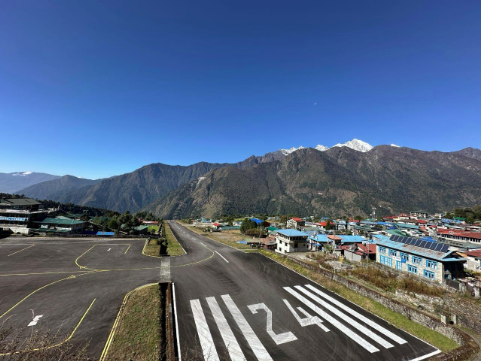
Everest Base Camp is one of the busiest trekking routes in the world, particularly during peak seasons. Villages can feel crowded, teahouses fill quickly, and popular viewpoints see heavy foot traffic.
Langtang Valley is noticeably quieter. Trails feel less rushed, villages remain calm, and evenings in teahouses are more relaxed. For trekkers who value space, rhythm, and a slower pace, this difference is significant.
Cultural Experience — What You Notice on the Ground
Both treks offer cultural exposure, but in different ways.
Langtang Valley passes through traditional Tamang villages, where daily life still revolves around farming, family, and local customs. Tourism exists, but it doesn’t dominate the rhythm of village life.
The Everest region is home to Sherpa culture, monasteries, and long-established trekking settlements. While culturally rich, the heavy volume of trekkers means tourism is a central part of daily life.
Those looking for a quieter, more locally grounded cultural experience often find Langtang more immersive.
Cost & Value — Effort vs Return
Costs vary by season and service level, but general differences are clear.
Everest Base Camp is more expensive due to flights, longer duration, and higher-altitude logistics. Additional days, accommodation, and contingency planning all add to the overall cost.
Langtang Valley is typically more affordable and offers strong value for time and effort invested. For trekkers seeking a meaningful Himalayan experience without the higher price tag, Langtang often strikes the right balance.
Safety & Support on the Trail
Both routes benefit from experienced guiding, but local route knowledge makes a real difference.
In regions like Langtang, Kathmandu-based trekking companies such as Himalayan Friendly focus on realistic pacing, small group sizes, and careful altitude monitoring. Their guides are trained in first aid and high-altitude safety, helping trekkers move comfortably while adapting to conditions on the trail.
On Everest Base Camp, support is equally important—but the higher altitude and heavier crowds add complexity that requires stronger preparation and flexibility.
Which Trek Makes More Sense for You?
Choose the Langtang Valley Trek 8 days if you want:
- A shorter trek with simpler logistics
- Lower altitude exposure
- Quieter trails and villages
- A balanced mix of culture and mountain scenery
Choose the Everest Base Camp Trek if you want:
- To reach a globally iconic destination
- Higher altitude trekking experience
- A longer, more physically demanding journey
- A social, well-established trekking route
Neither trek is better—each serves a different type of trekker.
Why Trekkers Rely on Himalayan Friendly for Well-Paced Himalayan Treks
Himalayan Friendly is a Kathmandu-based trekking company with over 8 years of hands-on Himalayan guiding experience, having successfully led 150+ trekking journeys for 300+ travellers worldwide. Their team of licensed local guides is trained in first aid and high-altitude safety, with a strong focus on acclimatisation, daily health checks, and emergency preparedness.
By specialising in small-group and private treks, Himalayan Friendly ensures realistic pacing, personal attention, and a safer on-trail experience—especially important on routes like Langtang Valley where gradual ascent and proper rest make a real difference. With transparent pricing, no hidden costs, and custom itineraries for beginners, families, and experienced trekkers, they’ve earned consistent 5-star reviews on TripAdvisor and Google as a trusted trekking company in Nepal.
Final Takeaway
Langtang Valley Trek 8 days and Everest Base Camp Trek 12 days both deliver unforgettable Himalayan journeys, but the experience unfolds in very different ways. Everest offers scale and global recognition, while Langtang rewards trekkers with space, rhythm, and approachability.
If you’re still weighing the two and want a clearer sense of how a well-paced Langtang itinerary comes together day by day, you can visit: https://himalayanfriendly.com/ to explore a detailed Langtang Valley Trek overview that follows the route in sequence and reflects the experience from the trail itself.
FAQs — Langtang Valley Trek vs Everest Base Camp
Is Langtang Valley easier than Everest Base Camp?
Yes. Langtang involves lower altitude, shorter duration, and generally less physical strain than Everest Base Camp.
Which trek is safer for altitude?
Langtang Valley is considered safer for many trekkers due to its gradual ascent and lower maximum elevation.
Which trek is better for first-time Himalayan trekkers?
Langtang is often recommended for first-time trekkers because it balances challenge, safety, and accessibility.
Which trek is less crowded?
Langtang Valley is significantly quieter, especially compared to Everest Base Camp during peak trekking seasons.