Introduction
A successful hunt depends on preparation, patience, and the ability to remain unnoticed by wildlife. Whether you are hunting deer, turkey, or other game animals, proper concealment is essential. Even slight movement or an unfamiliar shape can alert animals and reduce your chances of success.
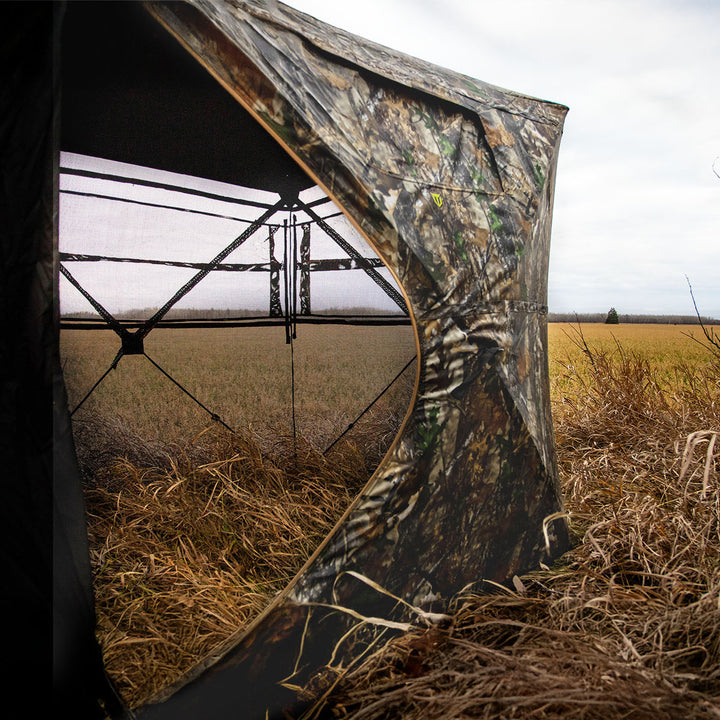
One of the best ways to stay hidden is by using a hunting blind. Modern hunting blinds provide protection from the weather, improve comfort during long hours outdoors, and help hunters blend into their surroundings. However, simply owning a hunting blind is not enough. Knowing how to position and use it correctly is equally important. This guide explains how to choose, set up, and maintain a hunting blind for the best results.
Why Use a Hunting Blind?
A hunting blind creates a concealed shelter that hides the hunter from wildlife. It allows you to observe animals without being easily detected while offering protection from wind, rain, and sunlight.
Some of the main benefits include:
-
Better concealment from game animals.
-
Reduced visible movement.
-
Increased comfort during long hunting sessions.
-
Protection from changing weather conditions.
-
Improved focus while waiting for wildlife.
These advantages make hunting blinds valuable for hunters of all experience levels.
Choosing the Right Hunting Blind
Before heading into the field, select a hunting blind that matches your hunting style and environment.
Size
Choose a blind with enough space for comfortable seating, equipment, and quiet movement. If you hunt with a partner, consider a larger model.
Durability
Strong fabric, reinforced corners, and sturdy support poles help ensure reliable performance throughout multiple hunting seasons.
Camouflage
A camouflage pattern that matches your local environment helps the blind blend naturally into forests, fields, or brush.
Portability
Lightweight hunting blinds are easier to carry and relocate if hunting conditions change.
Window Design
Multiple adjustable windows improve visibility while maintaining concealment.
Ground Blind Set Up Tips
Proper ground blind set up is one of the most important factors in hunting success. Even a high-quality blind will perform poorly if it is placed incorrectly.
Scout the Area First
Before setting up your blind, spend time identifying deer trails, feeding areas, bedding locations, and water sources. These locations often provide the highest level of animal activity.
Blend into Natural Cover
Place your blind near bushes, trees, or tall grass. Use nearby branches, leaves, and vegetation to soften its outline and help it blend naturally with the surroundings.
Set Up Early
Whenever possible, install the blind several days before your hunt. This gives wildlife time to become familiar with its presence and reduces the chance of alarming nearby animals.
Consider Wind Direction
Always position your blind so that your scent is carried away from expected game movement. Proper wind management is often as important as visual concealment.
Clear the Ground
Remove sticks, rocks, and dry leaves from inside and around the blind. This creates a quieter environment and makes movement easier during the hunt.
Advantages of a Camo Hunting Tent
A camo hunting tent is a popular choice because it combines effective concealment with portability and comfort.
Natural Camouflage
Camouflage patterns imitate trees, leaves, and natural vegetation, making the tent difficult for wildlife to notice.
Weather Protection
A hunting tent protects hunters from rain, wind, and direct sunlight, allowing longer and more comfortable hunting sessions.
Spacious Interior
Many camo hunting tents provide enough room for chairs, backpacks, bows, firearms, and other hunting equipment.
Easy Transportation
Modern hunting tents are lightweight and fold into compact carrying bags, making them simple to transport.
Versatile Use
Besides hunting, camouflage tents are useful for wildlife photography, birdwatching, and other outdoor activities.
Common Mistakes to Avoid
Avoiding a few common mistakes can significantly improve your hunting success.
Choosing the Wrong Location
A hunting blind placed away from wildlife activity will rarely produce good results. Always scout the area before setup.
Excessive Movement
Even inside a blind, sudden movement can attract attention. Stay as still as possible when animals are nearby.
Ignoring Wind Conditions
Animals often detect scent before they notice movement. Always monitor changing wind directions throughout the hunt.
Poor Maintenance
Neglecting your hunting blind can shorten its lifespan and reduce its effectiveness.
Maintaining Your Hunting Blind
Proper care helps ensure your hunting blind performs well for many seasons.
After every hunting trip, remove dirt, leaves, mud, and moisture from the fabric and frame. Allow the blind to dry completely before folding and storing it to prevent mold and mildew.
Inspect poles, hubs, zippers, windows, and tie-down straps regularly for signs of wear. Repair minor damage promptly to prevent more serious problems later.
Store the blind in a cool, dry place away from direct sunlight and excessive moisture.
Additional Hunting Tips
Using a hunting blind effectively involves more than simply setting it up.
-
Arrive at your hunting location quietly.
-
Wear camouflage clothing that matches the surrounding environment.
-
Minimize unnecessary movement inside the blind.
-
Keep essential equipment organized and within easy reach.
-
Practice patience and avoid rushing opportunities.
These simple habits can improve your overall hunting experience and increase your chances of success.
Conclusion
A well-positioned hunting blind can greatly improve comfort, concealment, and hunting success. Proper ground blind set up helps hunters remain hidden while maximizing visibility and minimizing disturbance to wildlife. At the same time, a dependable camo hunting tent provides excellent weather protection, portability, and natural camouflage for a wide variety of hunting situations. By choosing quality equipment, placing it strategically, and maintaining it properly, hunters can enjoy safer, more comfortable, and more rewarding outdoor adventures throughout the hunting season.