Introduction
For many travelers, a traditional game drive is the first thing that comes to mind when planning a safari. While exploring Tanzania’s national parks in a 4×4 vehicle offers incredible opportunities to see wildlife, there’s another experience that allows you to connect with nature on a much deeper level—a Walking Safari Tanzania adventure.
Unlike game drives, where you observe wildlife from a vehicle, a Guided Walking Safari lets you step into the African wilderness and experience the sights, sounds, and scents of nature on foot. Walking through open grasslands, riverbanks, woodlands, and forests allows you to notice details that are often missed from a vehicle. Every footprint, bird call, insect, and plant tells a story about the ecosystem surrounding you.
A walking safari isn’t about getting as close as possible to dangerous animals. Instead, it’s about understanding how nature works, learning about wildlife behavior, tracking animals, discovering native plants, and appreciating Tanzania’s remarkable biodiversity from a completely different perspective.
Whether you’re visiting Tanzania for the first time or returning for another adventure, adding a Walking Safari Tanzania experience to your itinerary can make your journey even more memorable.
This guide explains everything you need to know before booking a walking safari, including where to go, what to expect, safety guidelines, what to pack, and why it has become one of the most rewarding Tanzania Safari Activities.
What Is a Walking Safari?
A Guided Walking Safari is exactly what the name suggests—a professionally guided nature walk through protected wildlife areas led by an experienced safari guide and, in many locations, an armed park ranger.
Unlike hiking or trekking, walking safaris focus on observing and understanding nature rather than covering long distances. Walks are usually conducted at a relaxed pace, allowing participants to appreciate the smaller details of the African wilderness.
Instead of simply searching for large animals, your guide explains animal tracks, bird calls, insects, medicinal plants, trees, animal behavior, and the delicate relationships that exist within Tanzania’s ecosystems.
Every walk becomes an educational journey where travelers gain a much deeper understanding of the environment than they would during a traditional game drive.
Why Choose a Walking Safari Tanzania?
Adding a Walking Safari Tanzania experience to your itinerary offers an entirely different perspective on the African wilderness.
Walking through nature slows the pace of your safari and encourages you to observe the environment more carefully. Without the sound of an engine, you become more aware of birds singing in the trees, leaves moving in the wind, distant animal calls, and fresh wildlife tracks beneath your feet.
Many travelers describe walking safaris as one of the most peaceful and immersive safari experiences available.
Rather than focusing only on the famous Big Five, you begin to appreciate the smaller wonders of nature—colorful butterflies, fascinating insects, ancient baobab trees, medicinal plants, reptiles, and countless bird species.
For photographers and nature lovers, this slower pace often creates opportunities for unique wildlife observations that cannot be experienced during a vehicle safari.
Where Can You Enjoy Walking Safaris in Tanzania?
Several protected areas across Tanzania offer exceptional walking safari experiences, each providing different landscapes and wildlife encounters.
Arusha National Park
Arusha National Park is widely regarded as one of Tanzania’s best destinations for walking safaris.
Accompanied by an armed ranger, visitors can walk through open grasslands while observing giraffes, zebras, buffaloes, warthogs, antelope, monkeys, and an impressive variety of birds.
The park’s beautiful scenery includes Mount Meru, waterfalls, forests, and the Momella Lakes, making every walk both scenic and educational.
Tarangire National Park
Tarangire offers one of the most rewarding Walking Safari Tanzania experiences thanks to its enormous baobab trees, diverse birdlife, seasonal rivers, and impressive wildlife.
Walking with an experienced guide allows visitors to study elephant footprints, learn about animal behavior, identify native plants, and understand the park’s unique ecosystem from ground level.
Nyerere National Park (Formerly Selous)
Nyerere National Park is one of Africa’s premier destinations for authentic walking safaris.
Its vast wilderness, relatively low visitor numbers, and experienced guides create ideal conditions for exploring nature on foot.
Walking safaris here may include sightings of giraffes, zebras, antelope, buffaloes, elephants from a safe distance, and an extraordinary variety of birds.
Ruaha National Park
Ruaha is another outstanding location for adventurous travelers seeking a more remote Wildlife Experience.
The park’s rugged landscapes, ancient baobab trees, seasonal rivers, and abundant wildlife provide an unforgettable setting for professionally guided bush walks.
Ruaha is especially popular among experienced safari enthusiasts looking to explore Tanzania beyond the traditional northern safari circuit.
What Wildlife Can You Expect to See?
Unlike vehicle safaris that often focus on large mammals, walking safaris encourage visitors to appreciate every aspect of the ecosystem.
Depending on your location, you may encounter:
-
Giraffes
-
Zebras
-
Buffaloes
-
Warthogs
-
Impalas
-
Waterbucks
-
Bushbucks
-
Wildebeests
-
Monkeys
-
Baboons
-
Numerous bird species
-
Butterflies
-
Lizards
-
Tortoises
-
Insects
-
Animal tracks and footprints
Your guide may also point out elephant trails, predator tracks, nesting birds, termite mounds, medicinal plants, edible fruits, and fascinating signs of wildlife activity that many visitors never notice during traditional game drives.
While encounters with predators are possible, guides carefully plan routes and maintain safe distances at all times.
Learn to Read Nature Like a Safari Guide
One of the most fascinating aspects of a Guided Walking Safari is learning how professional guides interpret the natural world.
Experienced guides can identify animals simply by examining footprints, broken branches, fresh dung, claw marks on trees, or listening to alarm calls made by birds and monkeys.
Visitors quickly discover that the African wilderness is constantly communicating through subtle signs.
Understanding these natural clues transforms an ordinary walk into an exciting wildlife investigation where every track tells a story and every sound has meaning.
Many travelers say this deeper understanding becomes one of the most rewarding parts of their Tanzania safari.
Is a Walking Safari Safe?
One of the first questions travelers ask before booking a Walking Safari Tanzania experience is whether it is safe. The answer is yes—provided you join a professionally organized Guided Walking Safari led by qualified experts.
Walking safaris in Tanzania are conducted under strict safety regulations. Every excursion is led by an experienced safari guide and, in many national parks, an armed ranger who is specially trained in wildlife behavior and visitor safety. Before the walk begins, guests receive a comprehensive safety briefing covering how to behave around wildlife, how to walk as a group, and what to do if animals are encountered.
Guides carefully select walking routes based on recent wildlife movements, weather conditions, and park regulations. They constantly monitor the surroundings and use their extensive knowledge to avoid unnecessary risks.
Participants are asked to walk quietly, remain together, avoid sudden movements, and always follow the guide’s instructions. These simple precautions allow visitors to enjoy an exciting yet safe Wildlife Experience in Tanzania’s incredible wilderness.
What Should You Wear on a Walking Safari?
Choosing the right clothing can make your walking safari much more comfortable.
Neutral-colored clothing such as khaki, olive green, brown, or beige is recommended because it blends naturally with the environment and avoids attracting unnecessary attention from wildlife.
Lightweight, breathable fabrics work best during warm afternoons, while mornings can be surprisingly cool, making a light fleece or jacket useful.
Comfortable walking boots or sturdy hiking shoes with good grip are essential, especially if your safari includes uneven trails or rocky terrain.
Other recommended items include:
-
Wide-brimmed hat
-
Sunglasses
-
Sunscreen
-
Insect repellent
-
Reusable water bottle
-
Small backpack
-
Camera
-
Binoculars
Avoid wearing bright colors or camouflage clothing, as camouflage is restricted in several African countries and bright colors may disturb wildlife.
The Best Time for a Walking Safari Tanzania
A Walking Safari Tanzania can be enjoyed throughout the year, but different seasons provide different experiences.
The dry season, from June to October, is generally considered the best time for walking safaris. During this period, vegetation is less dense, temperatures are pleasant, and wildlife is easier to observe around rivers and waterholes.
The green season, from November to March, transforms the landscape with lush vegetation and colorful wildflowers. This period is especially attractive for birdwatchers because migratory birds arrive in large numbers.
Morning walks are usually the most enjoyable because temperatures are cooler and wildlife tends to be more active. Afternoon walks can also be rewarding, particularly as the day begins to cool before sunset.
Regardless of the season, every walk offers unique opportunities to discover Tanzania’s remarkable ecosystems.
Who Should Join a Guided Walking Safari?
A Guided Walking Safari is suitable for almost anyone with a reasonable level of fitness and an interest in nature.
Unlike mountain trekking, walking safaris are generally relaxed and focus more on observation than physical endurance. Walks often last between two and four hours, with plenty of opportunities to stop, ask questions, and enjoy the scenery.
Walking safaris are particularly enjoyable for:
-
Wildlife enthusiasts
-
Nature photographers
-
Birdwatchers
-
Families with older children
-
Couples
-
Solo travelers
-
Repeat safari visitors looking for a different experience
Travelers who have already experienced traditional game drives often find that walking safaris provide a deeper appreciation for Tanzania’s natural beauty.
Why Walking Safaris Complement Traditional Game Drives
A walking safari is not a replacement for a traditional safari—it is the perfect complement.
Game drives allow visitors to cover large distances and observe iconic animals such as lions, elephants, giraffes, leopards, buffaloes, and cheetahs. Walking safaris, however, slow the experience down and reveal the fascinating details that vehicles often pass by.
For example, during a game drive you may see an elephant walking across the savannah. During a walking safari, your guide may explain how to identify elephant footprints, recognize feeding signs, understand herd behavior, and discover how elephants shape entire ecosystems.
Combining both Tanzania Safari Activities provides a richer and more complete understanding of Africa’s wildlife and landscapes.
Many experienced travelers say their walking safari becomes one of the most memorable highlights of their entire trip because it allows them to feel truly connected with nature.
Responsible Tourism and Conservation
Choosing a professionally managed Walking Safari Tanzania also supports conservation efforts.
Walking safaris promote low-impact tourism by encouraging smaller groups, minimizing vehicle traffic, and creating opportunities for visitors to learn about environmental protection.
Professional guides often explain how national parks protect endangered wildlife, manage ecosystems, combat poaching, and work alongside local communities to preserve Tanzania’s natural heritage.
Many local safari companies also employ guides, rangers, cooks, drivers, and hospitality staff from nearby communities, helping tourism directly support local livelihoods.
By participating in responsible safari activities, visitors contribute to the long-term conservation of Tanzania’s extraordinary wildlife.
Plan Your Walking Safari with Lion Track Safari Company
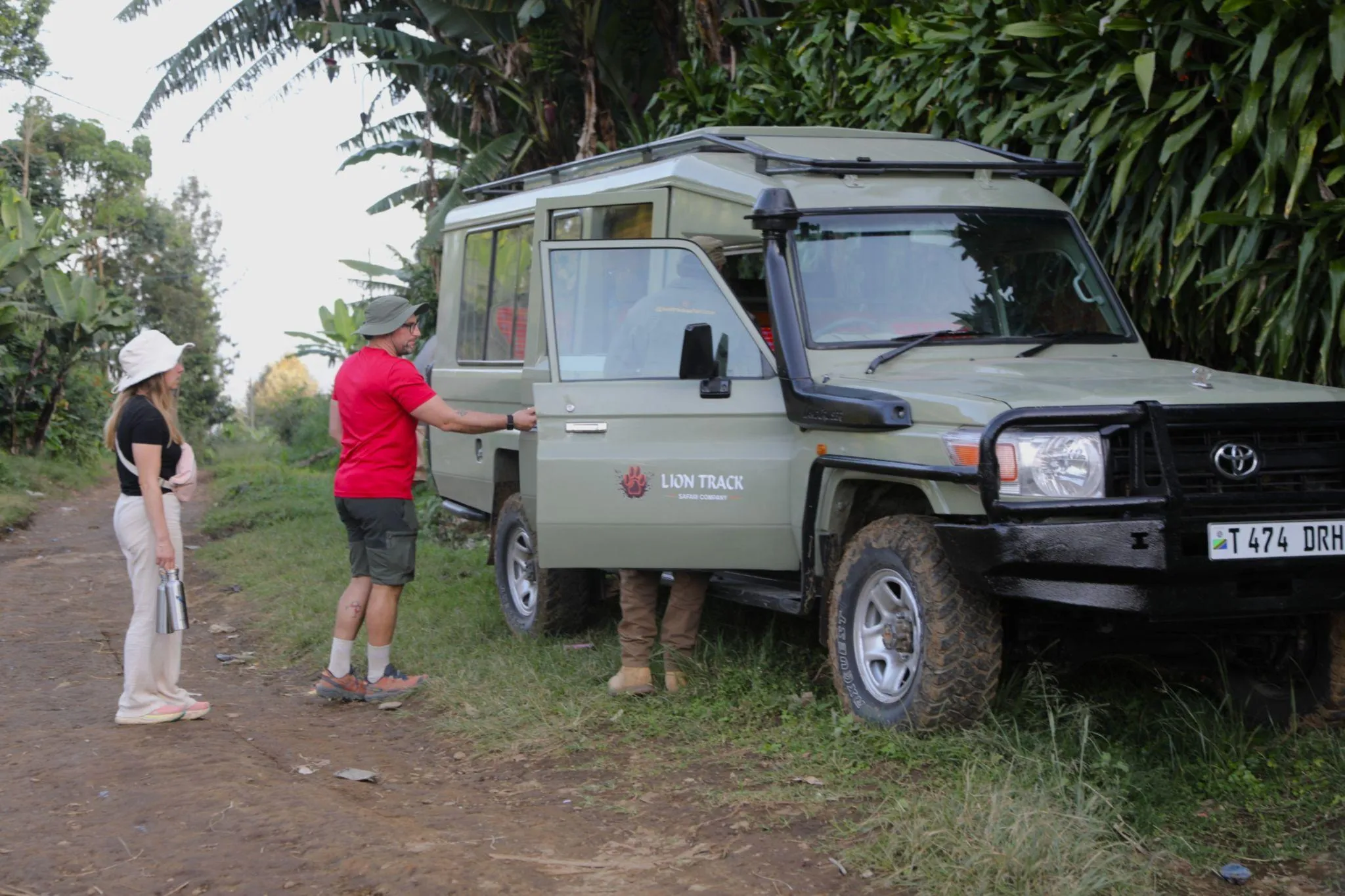
If you’re looking for an authentic Walking Safari Tanzania experience, Lion Track Safari Company offers professionally guided adventures that combine safety, education, and unforgettable wildlife encounters.
Their experienced local guides are passionate about sharing Tanzania’s remarkable ecosystems, helping visitors discover everything from towering baobab trees and colorful birds to fascinating animal tracks and breathtaking landscapes.
Whether you want to add a short bush walk to your traditional safari or include a dedicated Guided Walking Safari as part of a longer itinerary, Lion Track Safari Company can create a personalized adventure that matches your interests, fitness level, and travel plans.
In addition to walking safaris, the company offers customized wildlife safaris, cultural tours, Mount Kilimanjaro trekking, Zanzibar beach holidays, and complete Tanzania travel experiences.
Choosing a trusted local operator ensures expert guidance, personalized service, and a deeper connection with the incredible wilderness that makes Tanzania one of Africa’s most rewarding safari destinations.
Conclusion
A Walking Safari Tanzania offers a completely different way to experience Africa’s wilderness. Instead of simply observing wildlife from a vehicle, you become part of the landscape, discovering the smaller details that make Tanzania’s ecosystems so extraordinary.
From learning to identify animal tracks and listening to birdsong to understanding medicinal plants and watching wildlife from a respectful distance, every step provides a deeper appreciation for nature.
When combined with traditional game drives, walking safaris create one of the richest and most immersive Wildlife Experiences available anywhere in Africa.
Whether you’re visiting Tanzania for the first time or returning for another adventure, a professionally guided walking safari is an unforgettable addition to your itinerary.
Frequently Asked Questions
1. What is a Walking Safari Tanzania?
A Walking Safari Tanzania is a guided nature walk through protected wildlife areas led by experienced safari guides and, where required, armed park rangers.
2. Are walking safaris safe?
Yes. Professionally organized Guided Walking Safaris follow strict safety procedures and are led by trained experts who prioritize visitor safety.
3. Which national parks offer walking safaris?
Popular locations include Arusha National Park, Tarangire National Park, Nyerere National Park, and Ruaha National Park.
4. What wildlife can I see during a walking safari?
Depending on the location, you may see giraffes, zebras, buffaloes, antelope, monkeys, birds, reptiles, insects, and numerous signs of wildlife such as tracks and footprints.
5. How long does a walking safari last?
Most walking safaris last between two and four hours, depending on the location and itinerary.